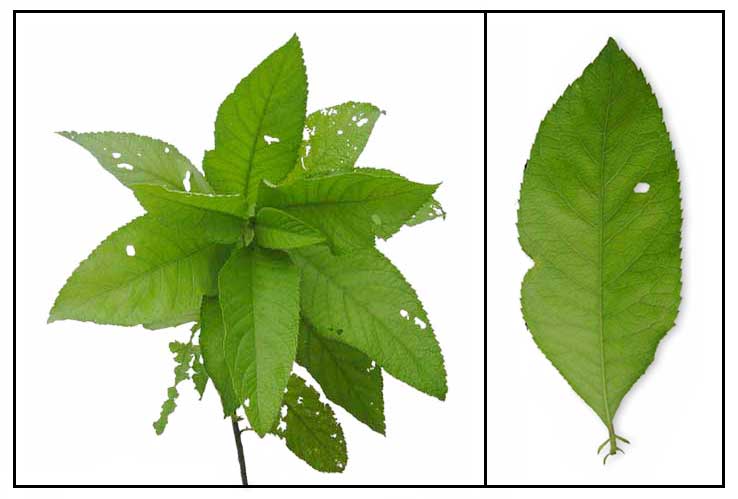
It's been so nice that my country is full of Herbal plants and trees. Knowing that for many centuries that our forefathers use this kind of medication is by means of herbal medicine. So from generation to generation this remains and still use in our present generation. Not only here in our country but worldwide. So upon searching on the internet i found this interesting article. It's all about the herbal medicine. And this are the top 10 herbal that our Department of Health approved. Take time to read this and hope it will help you for your future medication.
Ten (10) Herbal Medicines in the Philippines
Approved by the Department of Health (DOH)
These is the list of the ten (10) medicinal plants that the Philippine Department of Health (DOH) through its "Traditional Health Program" have endorsed. All ten (10) herbs have been thoroughly tested and have been clinically proven to have medicinal value in the relief and treatment of various aliments:
1. Akapulko (Cassia alata) - also known as "bayabas-bayabasan" and "ringworm bush" in English, this herbal medicine is used to treat ringworms and skin fungal infections.
2. Ampalaya (Momordica charantia) - known as "bitter gourd" or "bitter melon" in English, it most known as a treatment of diabetes (diabetes mellitus), for the non-insulin dependent patients.
3. Bawang (Allium sativum) - popularly known as "garlic", it mainly reduces cholesterol in the blood and hence, helps control blood pressure.
4. Bayabas (Psidium guajava) - "guava" in English. It is primarily used as an antiseptic, to disinfect wounds. Also, it can be used as a mouth wash to treat tooth decay and gum infection.
5. Lagundi (Vitex negundo) - known in English as the "5-leaved chaste tree". It's main use is for the relief of coughs and asthma.
6. Niyog-niyogan (Quisqualis indica L.) - is a vine known as "Chinese honey suckle". It is effective in the elimination of intestinal worms, particularly the Ascaris and Trichina. Only the dried matured seeds are medicinal -crack and ingest the dried seeds two hours after eating (5 to 7 seeds for children & 8 to 10 seeds for adults). If one dose does not eliminate the worms, wait a week before repeating the dose.
7. Sambong (Blumea balsamifera)- English name: Blumea camphora. A diuretic that helps in the excretion of urinary stones. It can also be used as an edema.
8. Tsaang Gubat (Ehretia microphylla Lam.) - Prepared like tea, this herbal medicine is effective in treating intestinal motility and also used as a mouth wash since the leaves of this shrub has high fluoride content.
9. Ulasimang Bato | Pansit-Pansitan (Peperomia pellucida) - It is effective in fighting arthritis and gout. The leaves can be eaten fresh (about a cupful) as salad or like tea. For the decoction, boil a cup of clean chopped leaves in 2 cups of water. Boil for 15 to 20 minutes. Strain, let cool and drink a cup after meals (3 times day).
10. Yerba Buena (Clinopodium douglasii) - commonly known as Peppermint, this vine is used as an analgesic to relive body aches and pain. It can be taken internally as a decoction or externally by pounding the leaves and applied directly on the afflicted area.
Tips on Handling Medicinal Plants / Herbs:
• If possible, buy herbs that are grown organically - without pesticides.
• Medicinal parts of plants are best harvested on sunny mornings. Avoid picking leaves, fruits or nuts during and after heavy rainfall.
• Leaves, fruits, flowers or nuts must be mature before harvesting. Less medicinal substances are found on young parts.
• After harvesting, if drying is required, it is advisable to dry the plant parts either in the oven or air-dried on screens above ground and never on concrete floors.
• Store plant parts in sealed plastic bags or brown bottles in a cool dry place without sunlight preferably with a moisture absorbent material like charcoal. Leaves and other plant parts that are prepared properly, well-dried and stored can be used up to six months.
Tips on Preparation for Intake of Herbal Medicines:
• Use only half the dosage prescribed for fresh parts like leaves when using dried parts.
• Do not use stainless steel utensils when boiling decoctions. Only use earthen, enamelled, glass or alike utensils.
• As a rule of thumb, when boiling leaves and other plant parts, do not cover the pot, and boil in low flame.
• Decoctions loose potency after some time. Dispose of decoctions after one day. To keep fresh during the day, keep lukewarm in a flask or thermos.
• Always consult with a doctor if symptoms persist or if any sign of allergic reaction develops.